Confessions of a Culinary School Dropout + 10 Helpful Tips
A Bit Of Context...
Long before I decided to pursue Journalism and Photography, I was intent on pursuing a career in Culinary Arts.
My high school was lucky to have an externship program. This hybrid format allowed students to learn through in-school instruction and in local restaurants.
My first semester, I was placed at a prominent local hotel. My first task was to decorate dessert plates for a banquet.
I was hooked.
Learning from chefs and cooks that educated me and encouraged my passion was an invaluable experience.
That externship eventually led to a position with the hotel as a prep cook, focusing on desserts. I was usually tasked with preparing desserts for banquets, wedding parties, meetings and more.
A bit of time on the job reinforced my career aspirations. I applied to the culinary program at the local community college and was accepted.
Culinary school was an immersive experience. From making savory stocks and sauces to making sticky coconut macaroons, it was diverse and exciting.
One could only guess what was coming next.
Why I Left…
However fun and exciting it was, it was also a big commitment.
School and work became all that I did. I had little time between the two.
Towards the end of the culinary program, you are required to take an externship similar to the one that I participated in in high school. I thought that with the prestige of the hotel chain and the volume of work that I was doing, that my job would be perfect for my required externship hours.
I was wrong.
I would have to leave the hotel for another position or severely reduce my hours to accommodate another job.
This, coupled with other factors, made the decision to leave school the best at the time.
An Experience…
This doesn’t mean I left the industry as well.
I worked in kitchens for the next couple of years, working anywhere from local mom-and-pop restaurants to high-end fine dining.
Anyone who has worked in the culinary industry will tell you how challenging of a field it is.
It is taxing physically, mentally and emotionally. It’s fast paced and quite honestly, a rush.
It can also be unbearable at times.
The heat, cuts, burns and personalities all make it a crazy atmosphere.
I made the decision to leave the industry and still find myself missing aspects of it sometimes. I think that proves that it was a love of mine.
So, what can you learn from my experience?
Here are 10 things that I learned in the culinary industry that you might be able to use in your daily lives. I make no guarantees. Take it with a grain of salt, but make sure it’s kosher or better yet, Fleur De Sel.
TIP 1: FOCUS ON THE TASK

Let cooking be your meditative practice. Cooking isn’t necessarily difficult, but it does require constant care and attention.
When the kitchen would get busy, workers would enter “the zone” and become completely focused on the task at hand.
Sauces can scorch, chocolate can seize up and whipped cream can turn into butter in a matter of minutes.
So, pay attention!
TIP 2: NECESSITY IS THE MOTHER OF INVENTION
There is never a dull moment in the kitchen.
In addition to catering parties and weddings, there was also a daily buffet at the hotel. I was expected to make cobblers for the buffet and went to choose the prepared fillings.
There was just one problem. We were low on the cobbler fillings.
If I remember correctly, our supply was down to a bit of apple cinnamon and a bit of blueberry. They told me to do what I could. So, I decided to wing it. I added dried cranberries and mixed the fillings, concocting a new filling.

Now if you are wondering if these fillings regularly go together, they don’t.
The chef was not happy and was giving me a hard time for mixing the fillings. I was upset thinking that I was going to be in trouble after trying to improvise.
He went to retrieve the cobbler early and came back laughing with an empty pan.
The customers had finished the dessert and wanted more. Customers even approached the chef to tell him how good the cobbler was.
The moral of the story is that sometimes you have to wing it and trust that it will come out okay.
TIP 3: MISE EN PLACE IS KEY
This is so important in the cooking process.
Mise En Place is a French term for the practice of making sure you have everything you need before starting a recipe. According to Google translate, the literal translation is “setting up.”
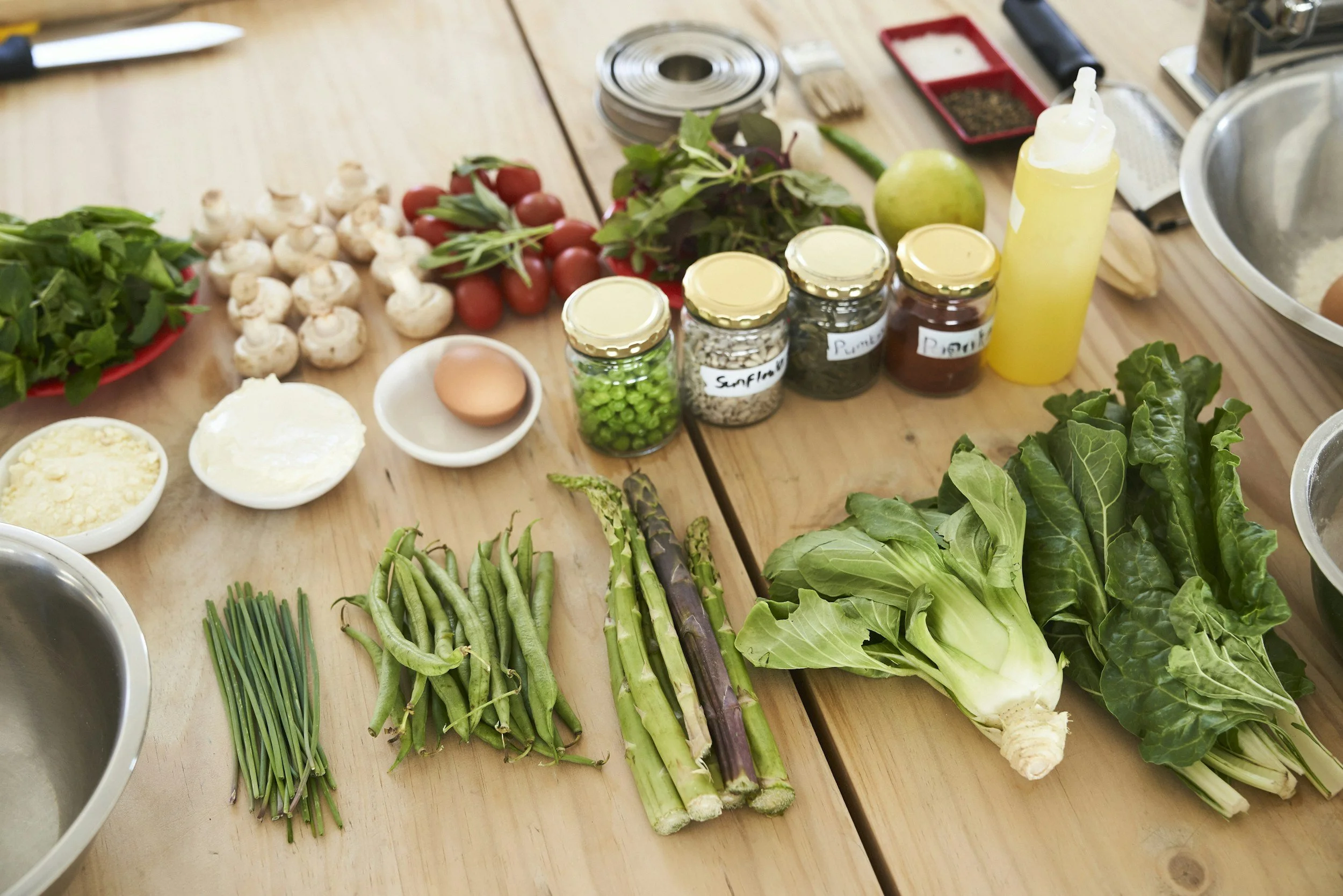
This means making sure everything is measured, prepped and ready for assembly. It takes some time but makes the execution of the recipe so much easier.
Students in the culinary industry are taught this practice early. In addition to being practical, it also allows you to relax knowing that everything is ready and within reach.
You wouldn’t start a recipe and then go to the store to grab the ingredients.
Food shows do this all the time. They use Mise En Place to make sure the food segment goes smoothly, and everything that they need is within reach.
TIP 4: SECURE YOUR CUTTING BOARD WITH A WET TOWEL.
Two things are important when prepping ingredients. A sharp knife and a secure cutting board.
Plastic cutting boards in the kitchen are well used and go through commercial dishwashers. This can slightly warp the boards and cause them to slide all over the place.
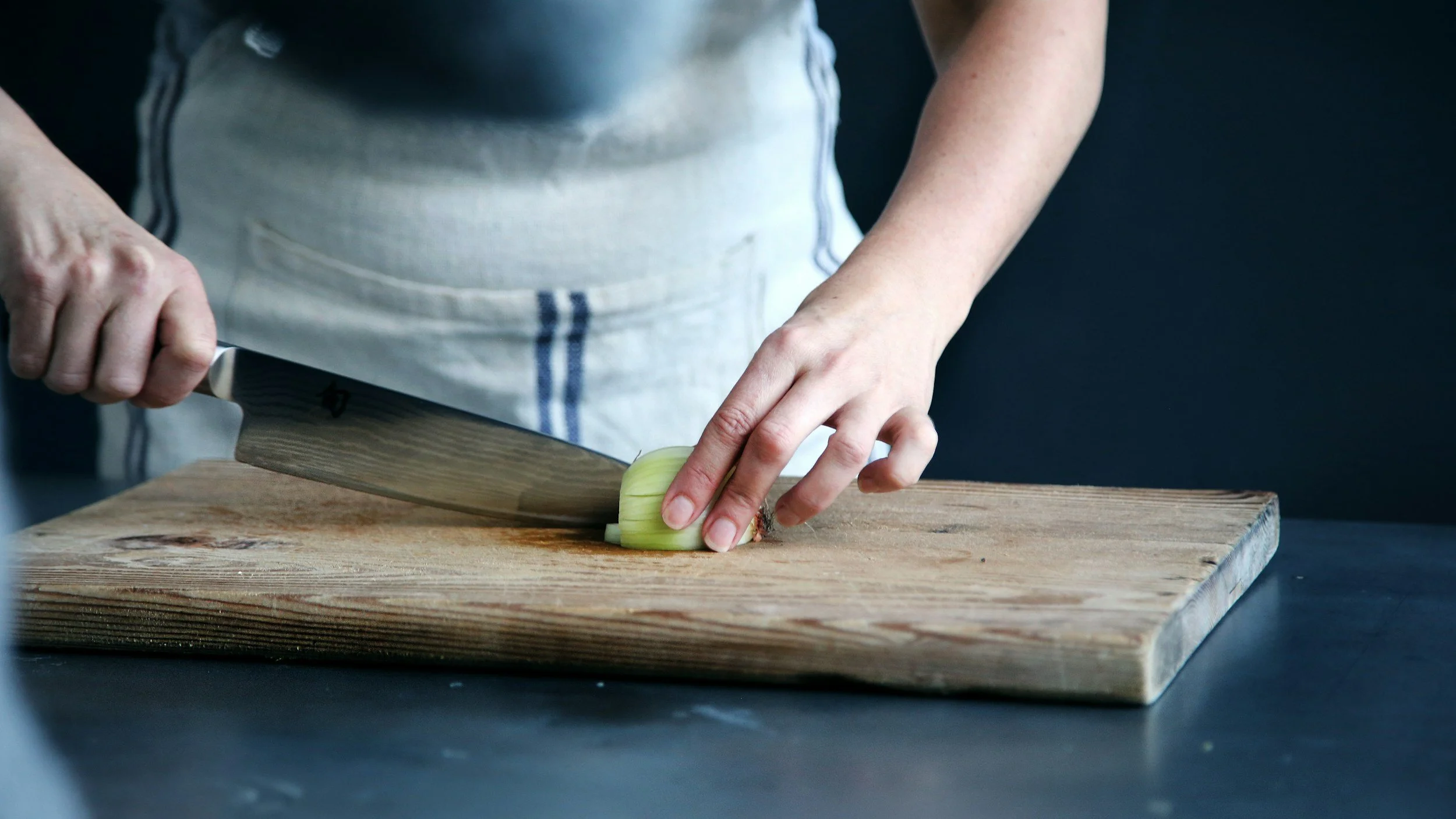
How can you make sure your cutting board is more secure?
The answer is a wet kitchen towel.
Thoroughly soak the towel, ring out the excess water and lay the towel on the counter. Any type of cotton towel should be fine, but terry cloth is the type most used in kitchens.
Then place the cutting board on the towel and feel a bit more secure that your cutting board isn’t going to slide away.
TIP 5: USE A SERRATED BLADE TO CUT TOMATO SLICES
In kitchens, the prep work can pile up and be a bit time consuming.
One time at the hotel, I was responsible for dicing a full box of ripe tomatoes.
The knives were sharp, but anyone who has had to cut ripe tomatoes can tell you it can be a bit difficult.
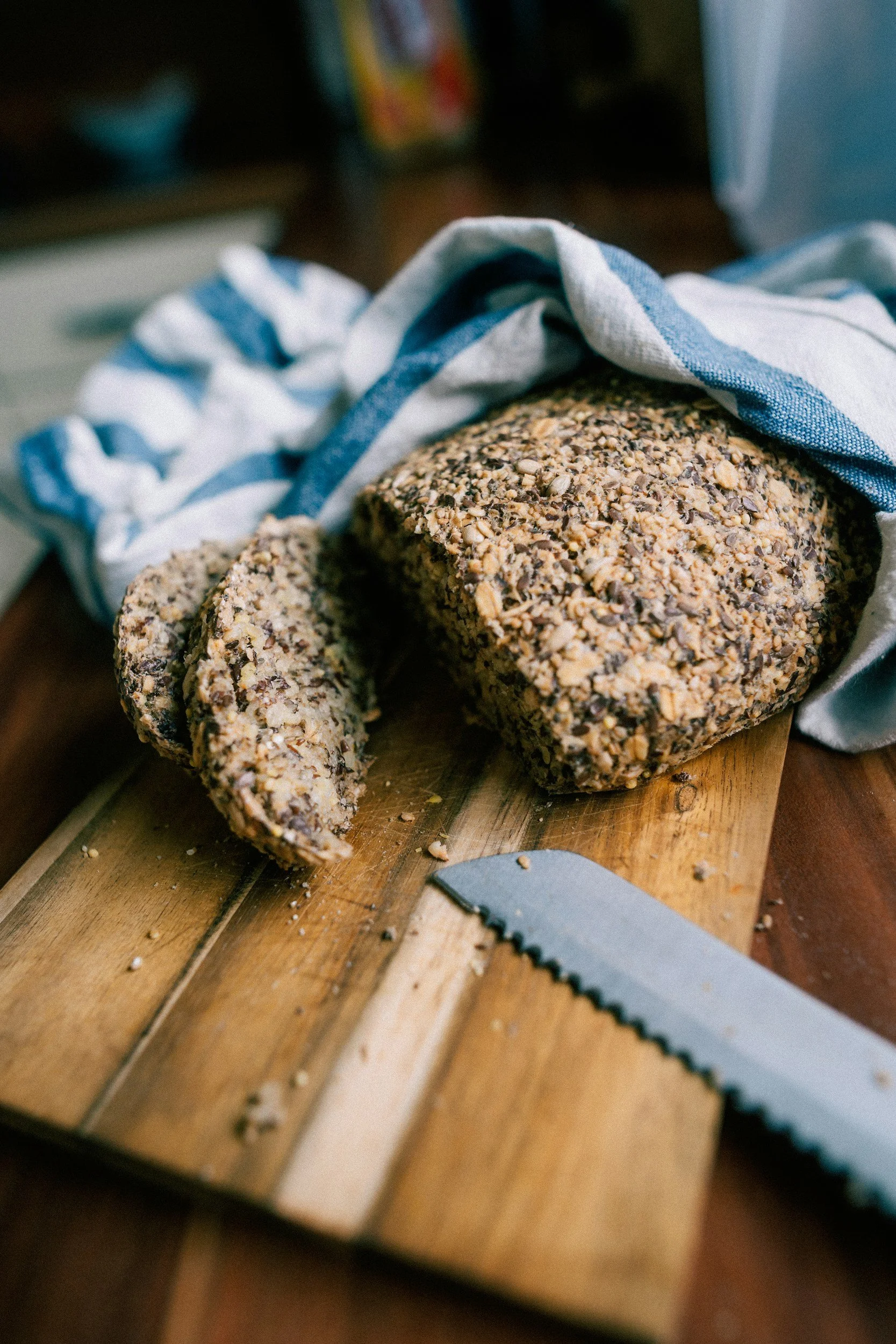
The solution was a serrated blade.
Yes, that bread knife in your knife set is the secret to getting nice tomato slices.
TIP 6: HARD BOILED EGGS THAT ARE EASY TO PEEL
Hard Boiling eggs is one of those things that is fairly simple but can be a pain and test your patience.
I was working in a little café where we made fresh egg salad every morning. They had a very specific way of boiling the eggs and since I’ve learned the technique, I’ve adopted it and have never looked back.
To Start:
Place eggs in a pot and fill to cover with cold water. Then sprinkle with a generous amount of salt. We used to use half a handful at the cafe, but at home that is not necessary. The salt makes the eggshell brittle. Don’t worry, the egg will not absorb the salt.
Bring water to a rapid boil. Once the water is rapidly boiling, cook the eggs for one minute and 30 seconds.
Turn the stove element off, cover with a lid and keep pot on the stove element. Let sit for seven minutes.
After the seven minutes have passed, remove pot from stove and pour out excess water. The water will be hot, so make sure to pour away from yourself. Place ice water in the pot with the eggs and let sit till the eggs are cool.
After cooling, the eggs should be ready to peel. For easy peeling, tap eggs on both ends. This breaks the air pocket responsible for keeping the contents of the egg safe. After the air pocket is broken, they should be really easy to peel.
I know there are many ways to make hard boiled eggs, but this one has been the winner for me.
I TRIED THIS RECENTLY TO MAKE SURE THE METHOD WAS CORRECT. THE EGGS WERE INCREDIBLY EASY TO PEEL, THE WHITES WERE FIRM BUT LIGHT AND THE YOLK WAS A PERFECT PALE YELLOW AND SOFT AS A CLOUD.
TIP 7: PEELING HACK
One of the first things you learn in culinary school is Tomato Concassé. It sounds fancy but is easy and focuses on utility. There is a place for tomato skin, but not in all dishes.
To start the process, tomatoes are scored about a centimeter deep in a cross pattern at the top.
The tomatoes are then submerged in rapidly boiling water for around a minute or until you can see the peels start to separate from the marks.
Remove from pot and plunge the tomatoes into ice water. This process is essentially blanching the tomato to remove the skin.
After the tomato has cooled, remove from ice water and use the cross-score marks to peel and remove the skin. It should be fairly easy.
After the tomatoes have been peeled, slice them in half lengthwise and remove the seeds.
You can leave them as they are or dice into smaller pieces.
Now you can make savory tomato sauces, soups and more.
Here is a link to a helpful site if you want a more complete recipe.
TIP 8: HAVE A CHOCOLATE RECIPE? USE COFFEE!
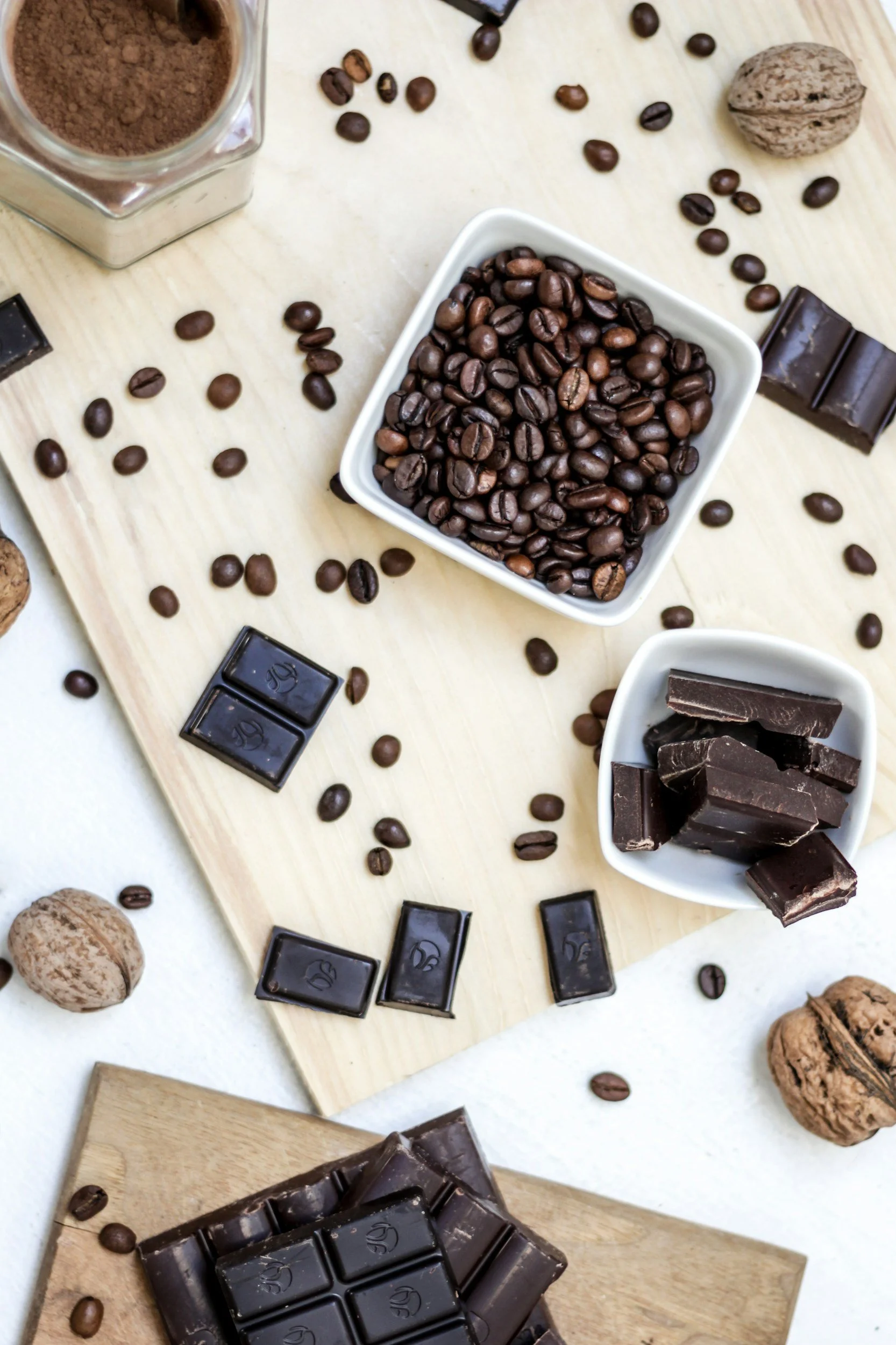
This is a must for brownies and chocolate cake recipes.
I was working in a small bakery. For all the chocolate cakes, we would substitute fresh brewed coffee for the water in the recipe.
The simple substitution resulted in a deeper, richer chocolate flavor.
In case you were wondering, no, you cannot taste the coffee.
TIP 9: WANT CLEAN CAKE SLICES?
When the hotel was having a catered event, we had two choices when serving cakes.
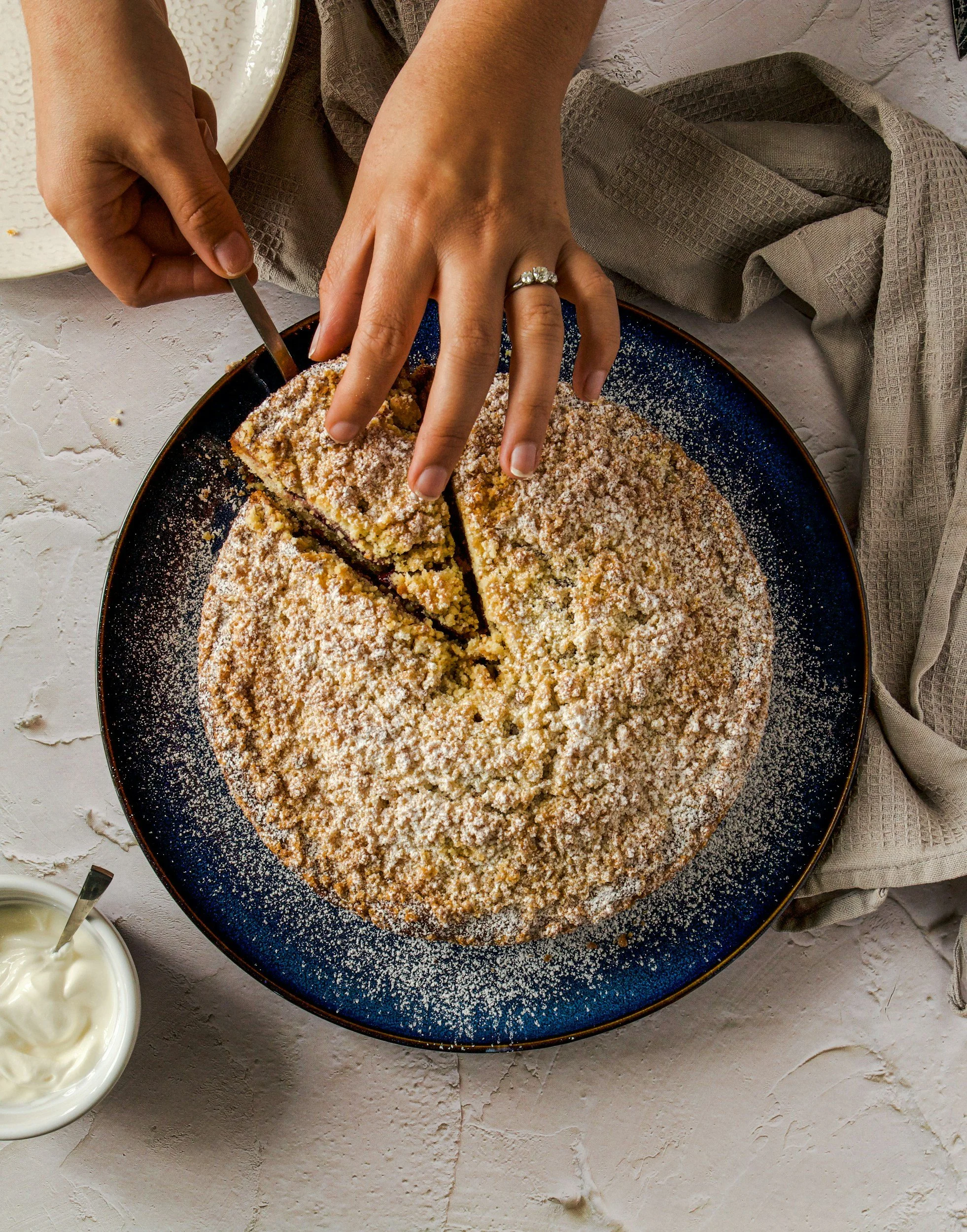
We could either present individual slices on dessert plates or serve the cakes whole and sliced. We would go through multiple prepared cakes and while some where pre-sliced, others were not.
Cutting dozens of cakes with fluffy dark chocolate icing can become really messy.
Presentation is key in any kitchen. It is said that we eat with our eyes. So, how did I achieve smooth slices?
The answer is a heated wet knife.
Run your knife under hot water. The water should evaporate shortly after. If this is not the case, you can simply wipe the knife with a clean towel.
If it gets messy, which it usually will, just re-run the knife blade through the running hot water to remove icing and repeat.
TIP 10: DON’T BE INTIMIDATED. YOU’VE GOT THIS!
Kitchens and culinary in general, are intimidating.
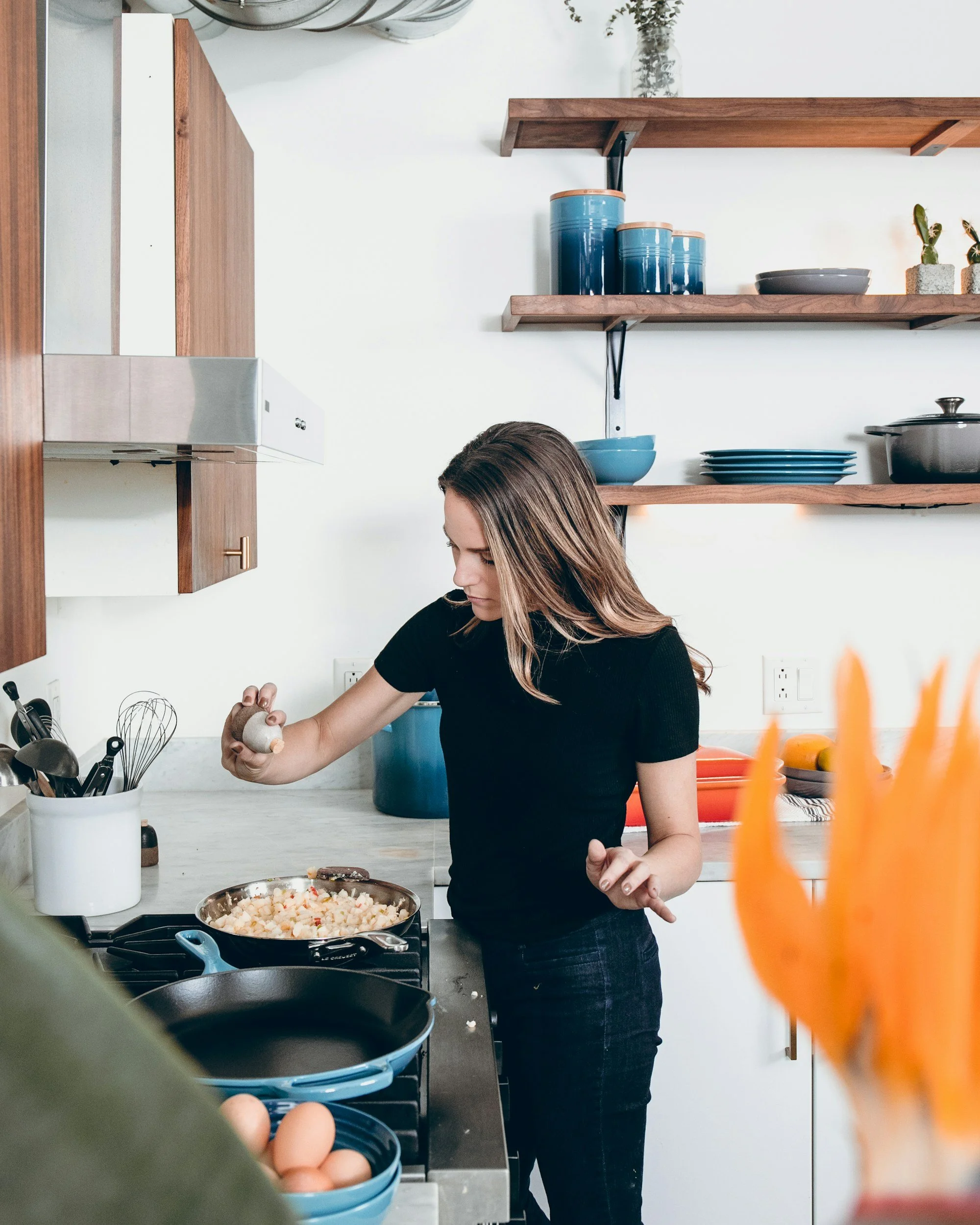
I have done multiple things that were outside of my comfort zone.
Deboning a full leg of lamb, learning the correct way to butcher a lobster in the most humane way and making plated desserts for a 1,000-count party can be a bit daunting.
Sometimes, you have to rise above the intimidation and just do it.
The good news is that there are so many good resources out there to help you along the way.
I hope these tips help and encourage you to further your culinary knowledge.
Social Media Links

Meet Caitlin
Caitlin is a storyteller and photographer currently based in the coastal city of Wilmington, N.C.
A self-confessed romantic, she is a firm believer that there is good in the world.
Want To Keep Up With The Latest Content From Cameron Cait?
I want to keep you in the know! Click the link to sign up for the email list. I don’t like spam mail and promise not to fill your mailbox with it either.